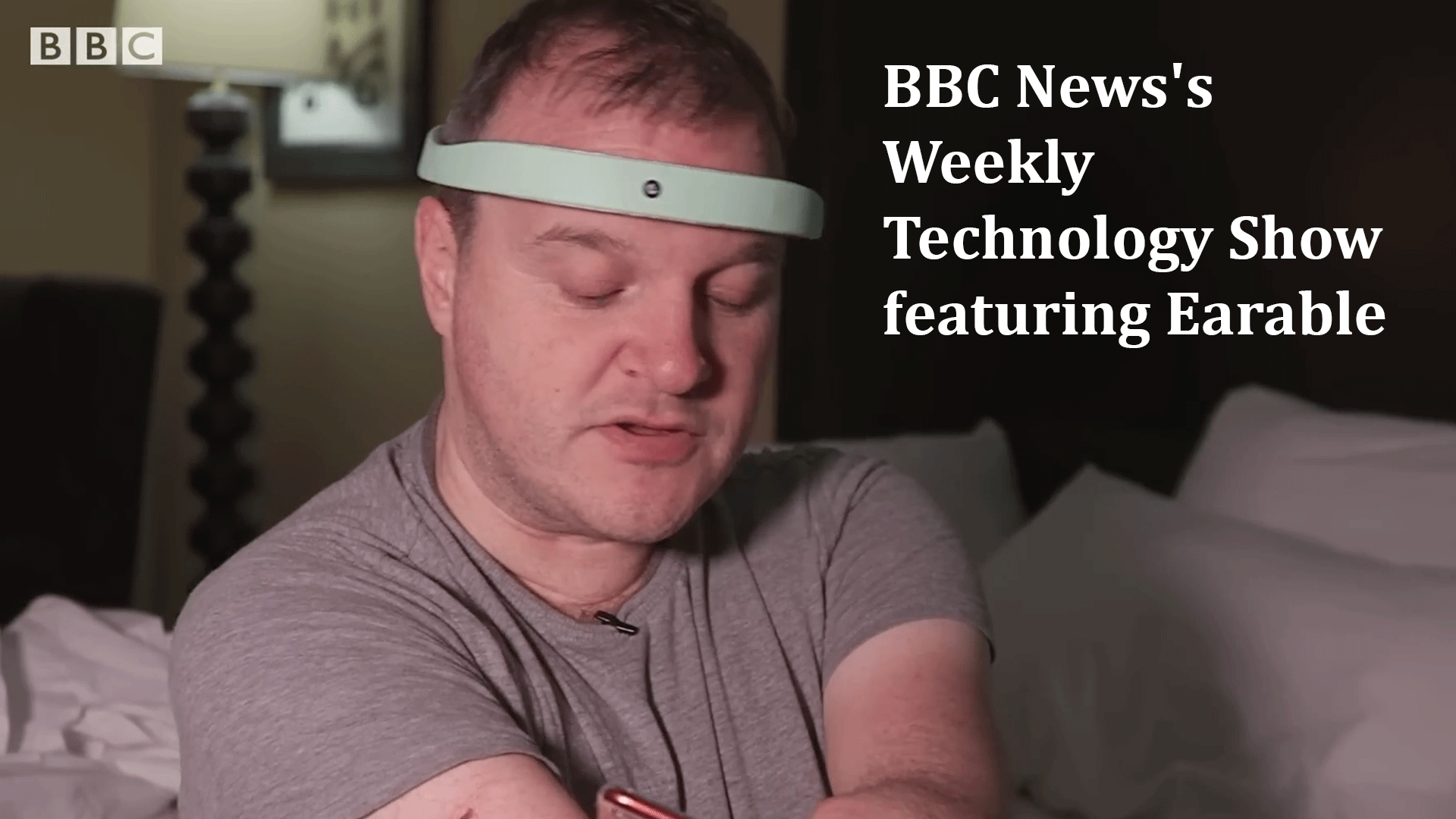
Six research pillars advancing AI-powered wearables, cognitive science, and digital health, from foundational invention to real-world impact.
Our research is organized around six key focus areas where we combine sensing, stimulation, and AI-driven approaches to create scientifically rigorous and practically impactful solutions.
We design adaptive systems that respond to each individual's unique needs, preferences, and contexts. By integrating user-specific factors, physiological signals, behavioral patterns, environmental conditions, and personal goals, our platforms make technology feel natural, supportive, and seamlessly woven into everyday life, rather than one-size-fits-all.
Cognitive performance lacks objective, universally accepted measurements. We develop validated, wearable-friendly metrics for cognitive states such as focus, attention, stress, and mental fatigue that regulators, clinicians, and researchers can adopt broadly, enabling reproducible science and clinically meaningful outcomes across studies and populations.
We build agentic AI systems that go beyond static recommendations. These agents continuously adapt their guidance based on personal data, life context, and evolving user needs, delivering deeply personalized interventions for sleep optimization, cognitive enhancement, and long-term brain health through closed-loop sensing and actuation.
We explore safe, effective ways to influence cognitive states without drugs. Using carefully calibrated sound, light, vibration, and other non-invasive stimuli, we create "switches" that can help users fall asleep faster, sharpen focus, reduce anxiety, or recover from cognitive fatigue, all through precisely timed sensory interventions.
Healthcare wearables demand ultra-low-power, privacy-preserving architectures that can process complex physiological signals on-device. We develop edge computing frameworks that enable real-time AI inference on resource-constrained hardware, eliminating cloud dependency while maintaining clinical-grade accuracy and protecting sensitive health data.
High-quality human-centered data is essential for AI and healthcare research but prohibitively expensive to collect manually. We build automated pipelines leveraging LLMs, robotics, and multimodal sensing to gather rich behavioral, physiological, and contextual datasets at scale, reducing costs while increasing data quality for clinical trials and AI training.
From foundational science to deployed systems, our work spans the full pipeline from invention to adoption.
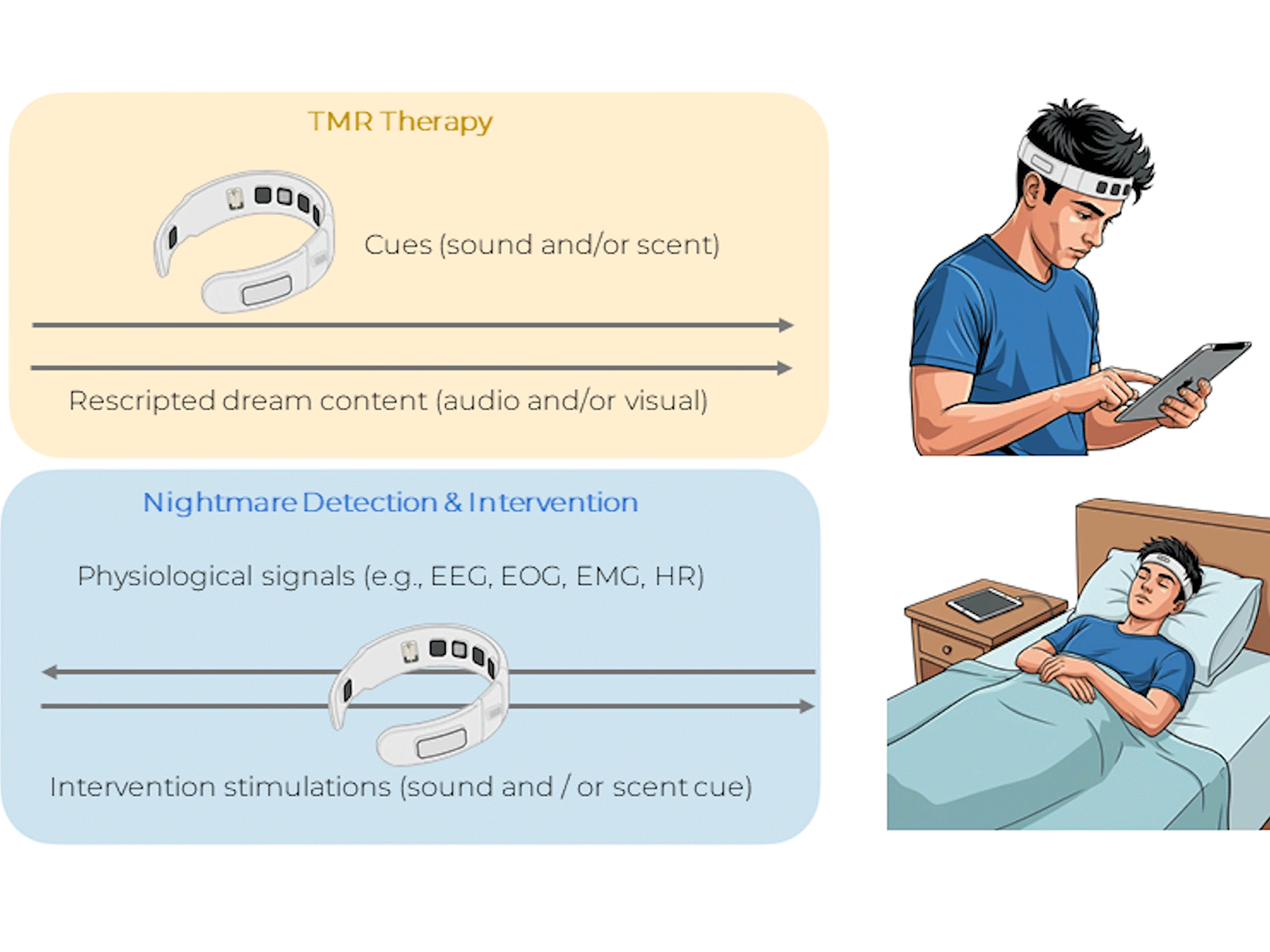
AI-powered wearable platform for real-time nightmare detection and intervention during sleep, targeting PTSD patients and chronic nightmare sufferers.
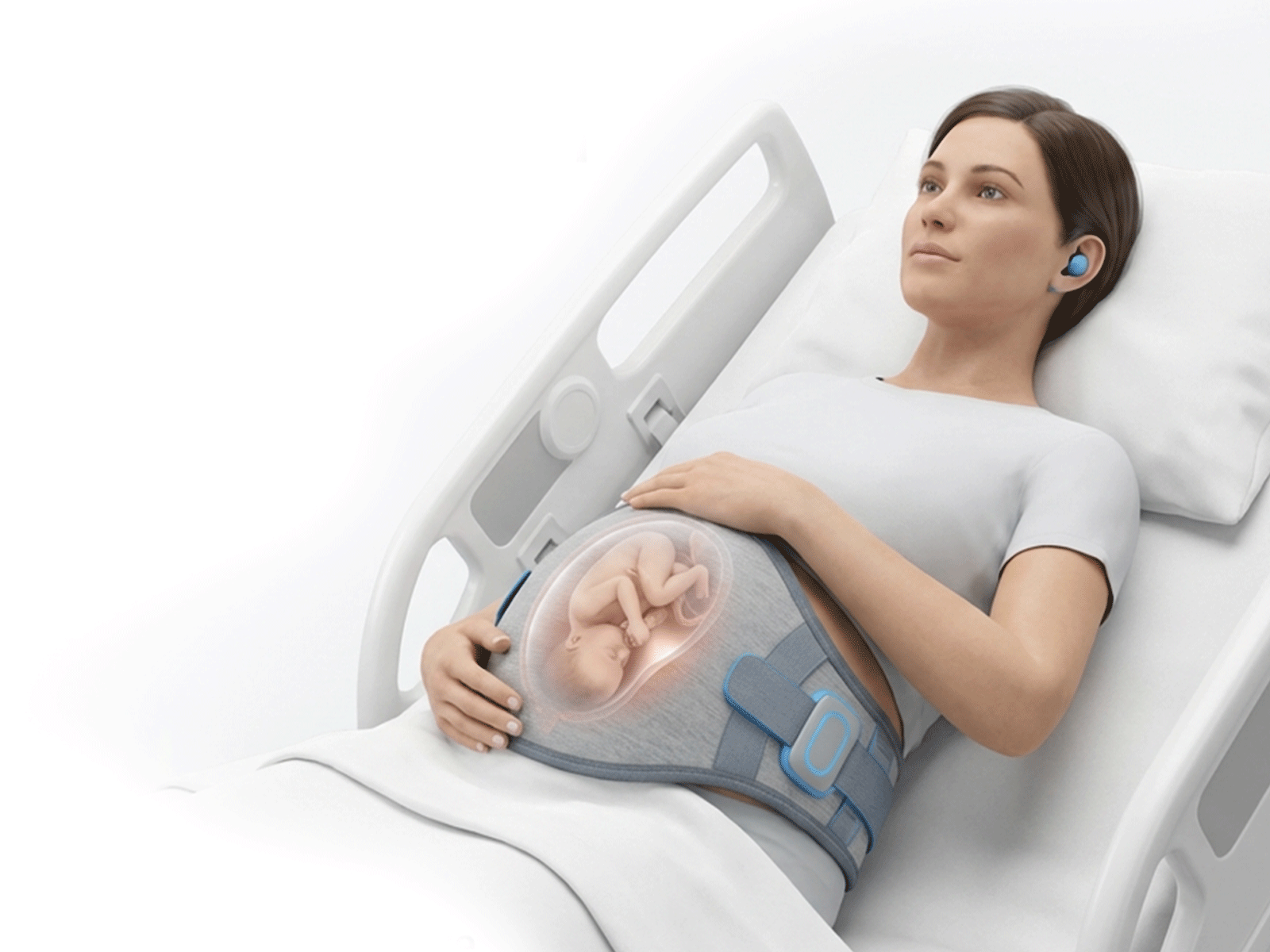
Continuous maternal and fetal health monitoring wearable for early risk detection and remote prenatal care throughout pregnancy.

Exploring brain organoid-based biological computers for advanced neuromorphic industrial applications and next-generation computing paradigms.
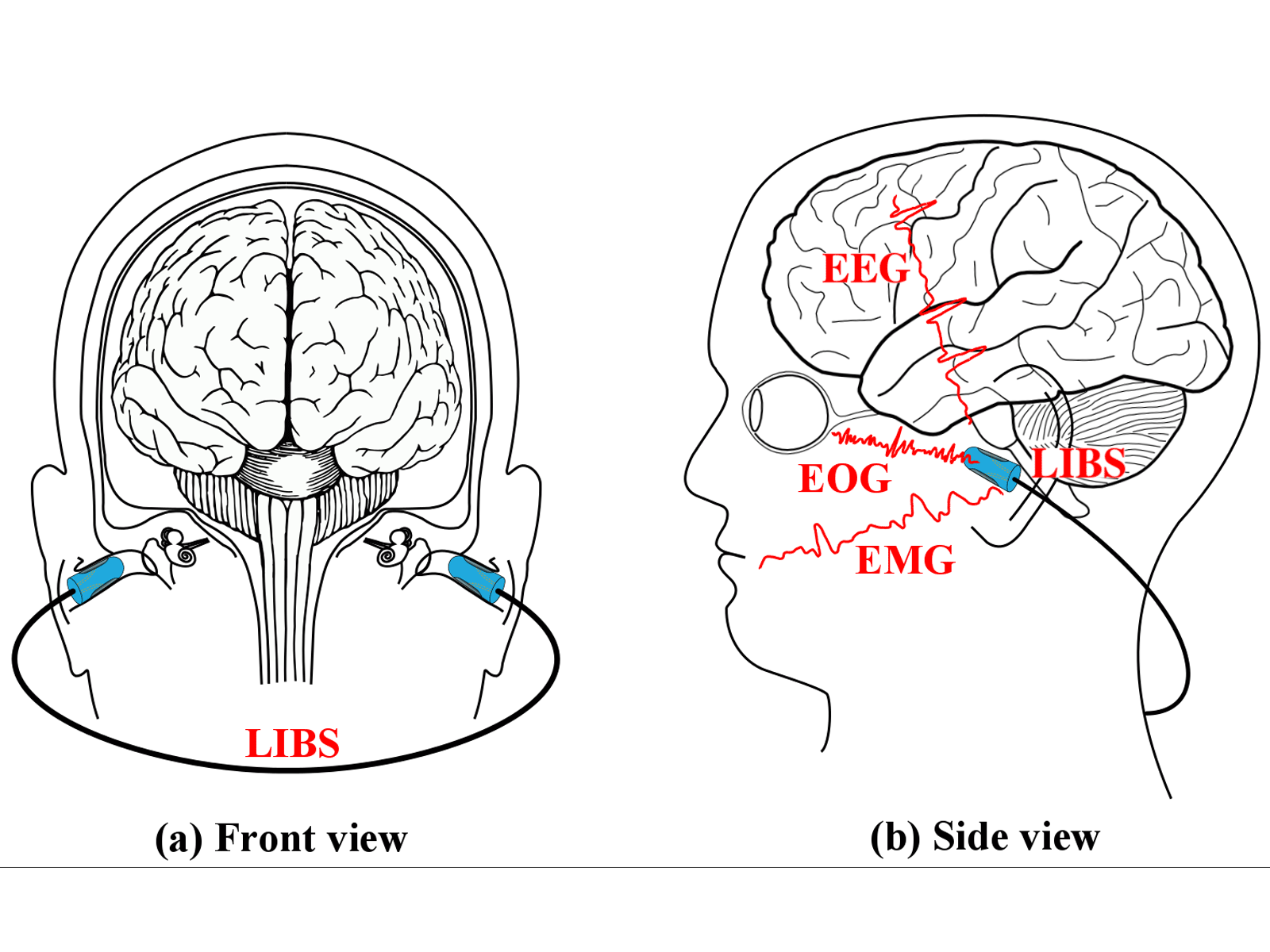
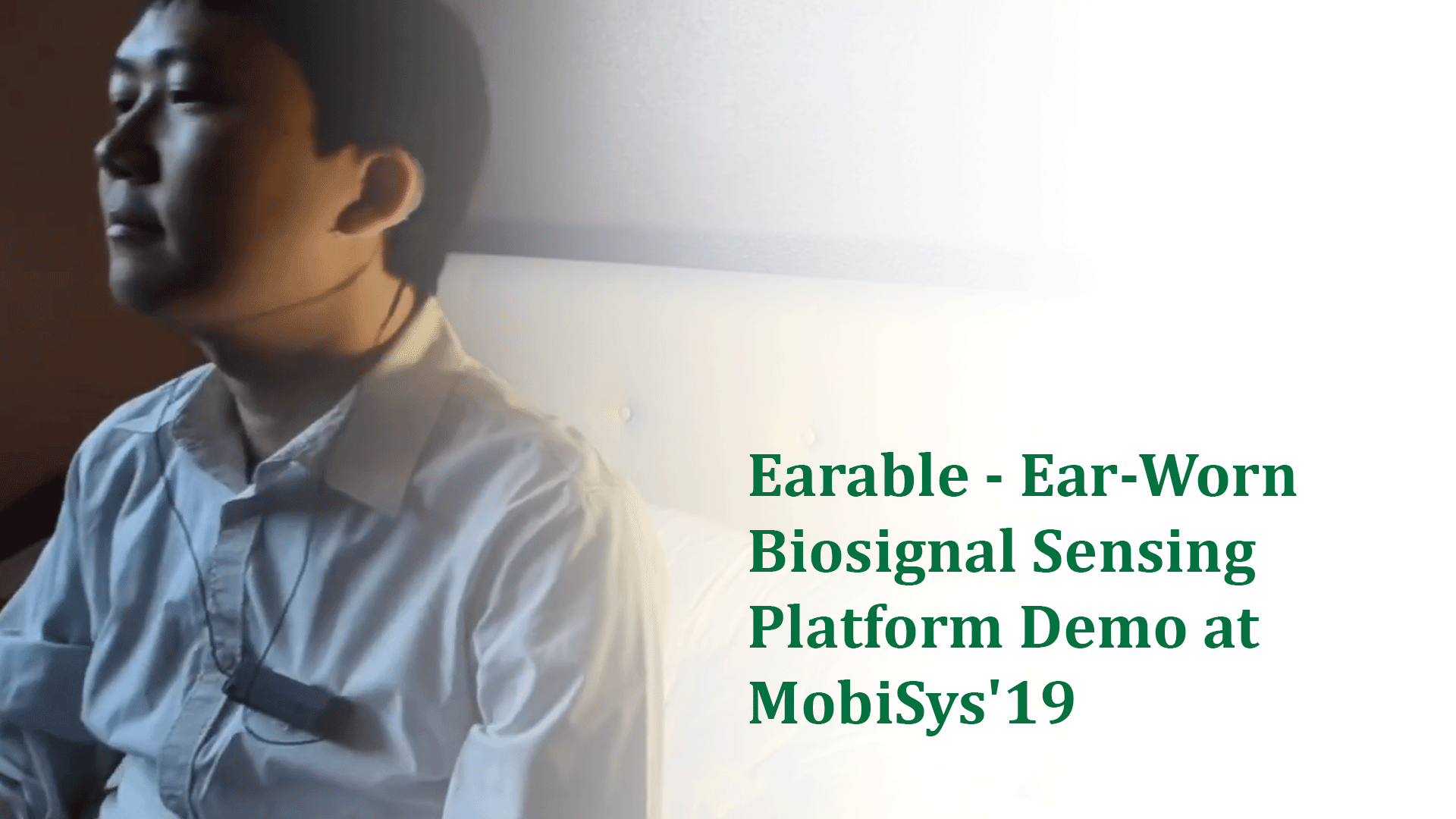
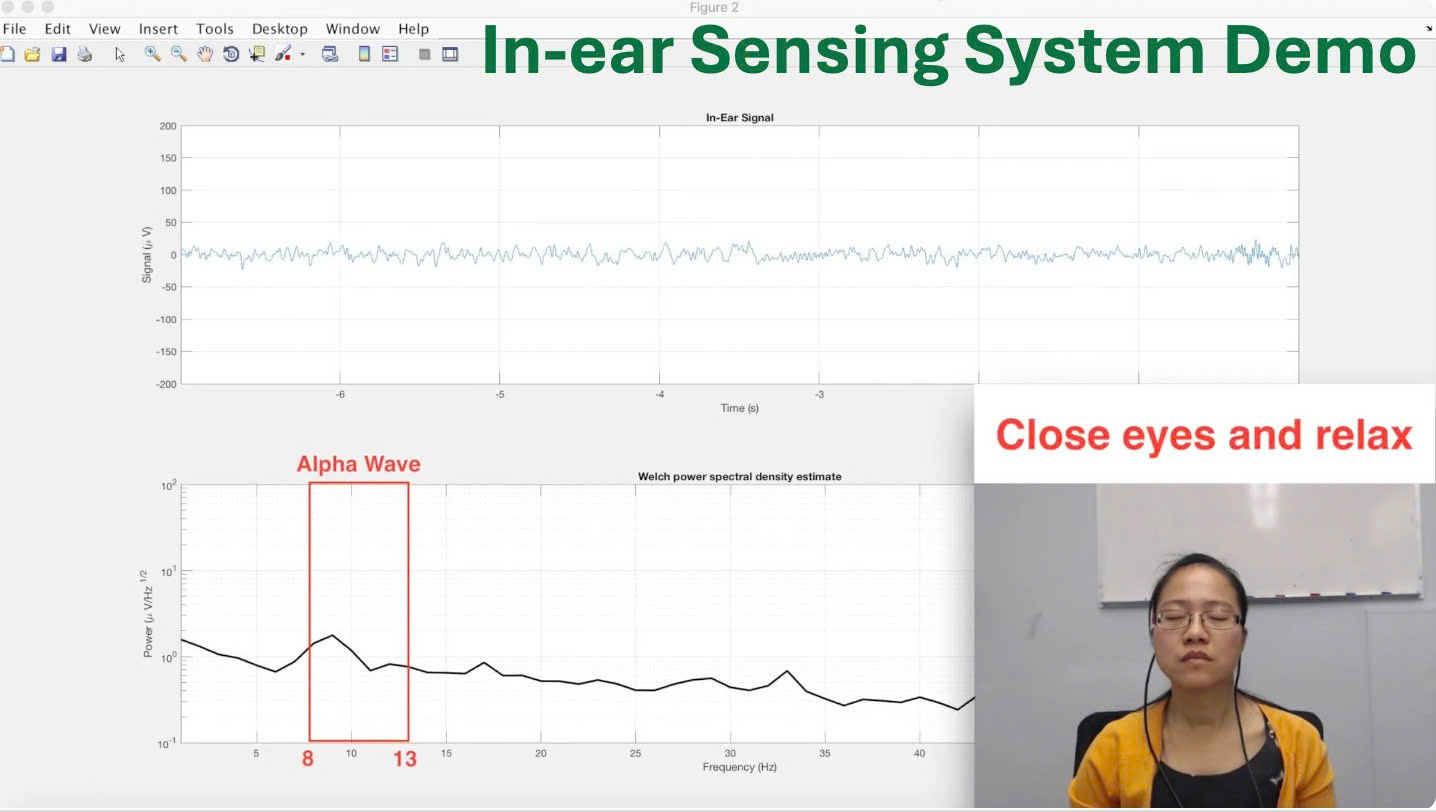
A lightweight, low-cost in-ear sensing platform for automatic whole-night sleep stage monitoring with clinical-grade accuracy.
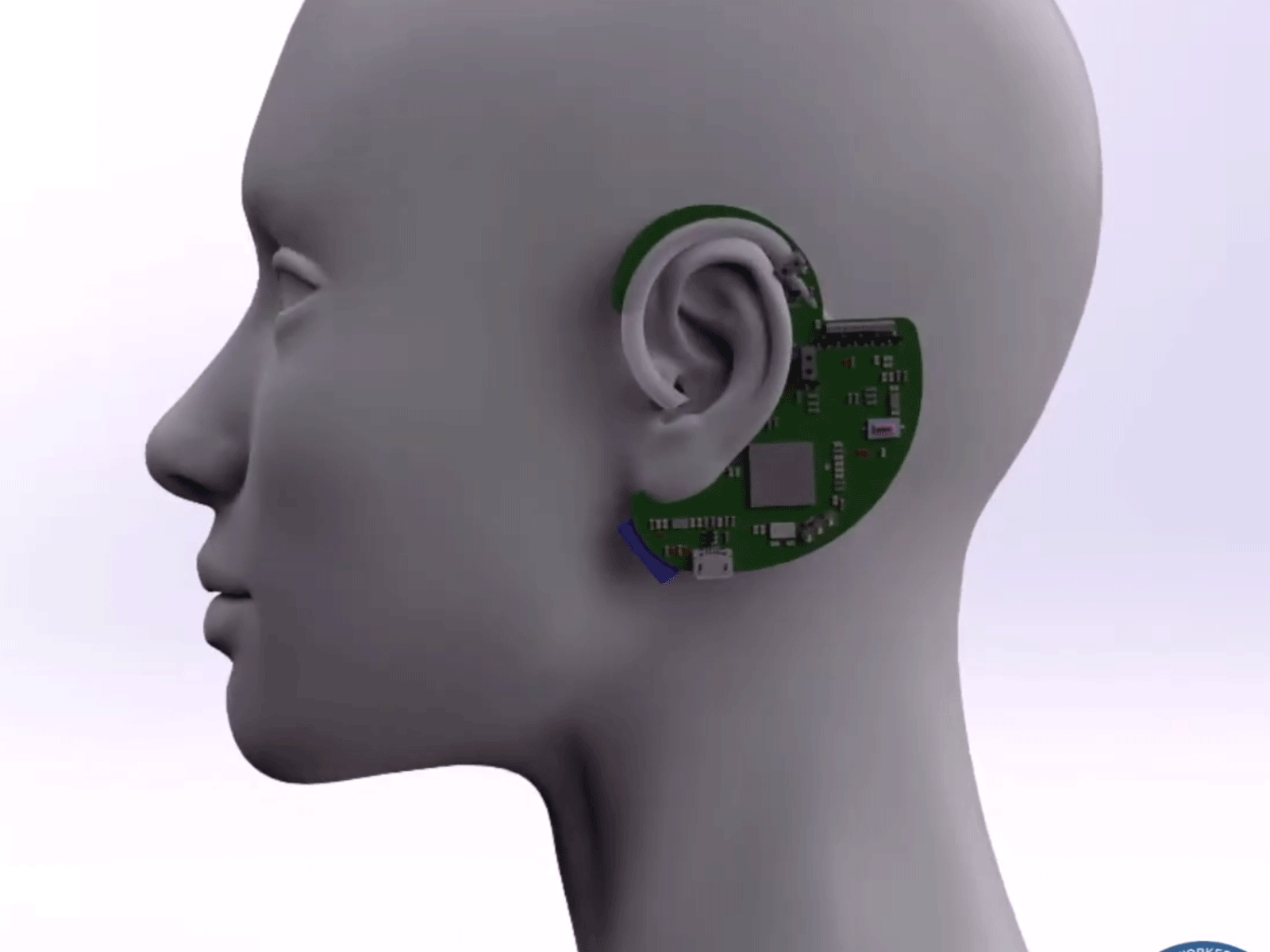
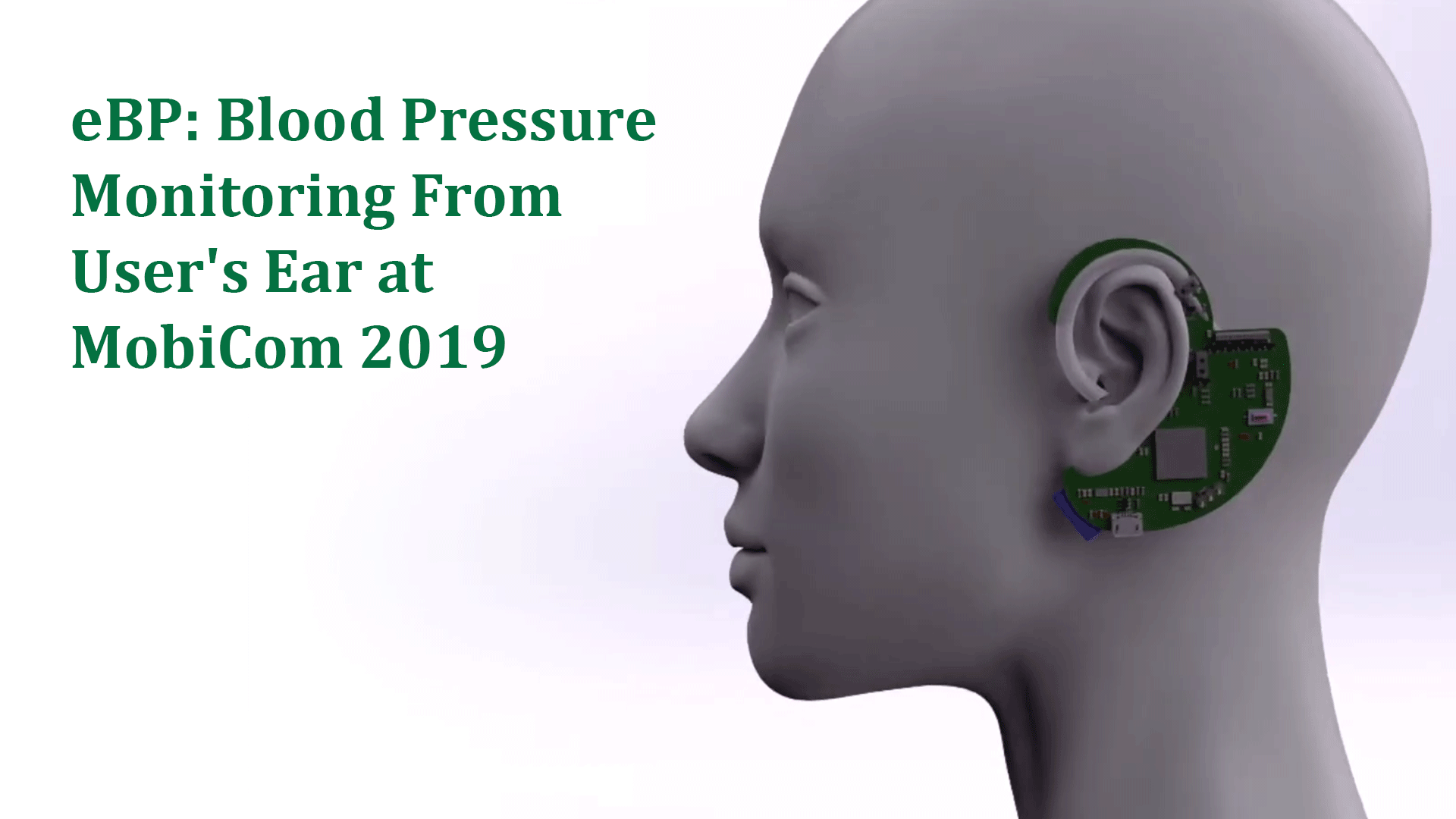
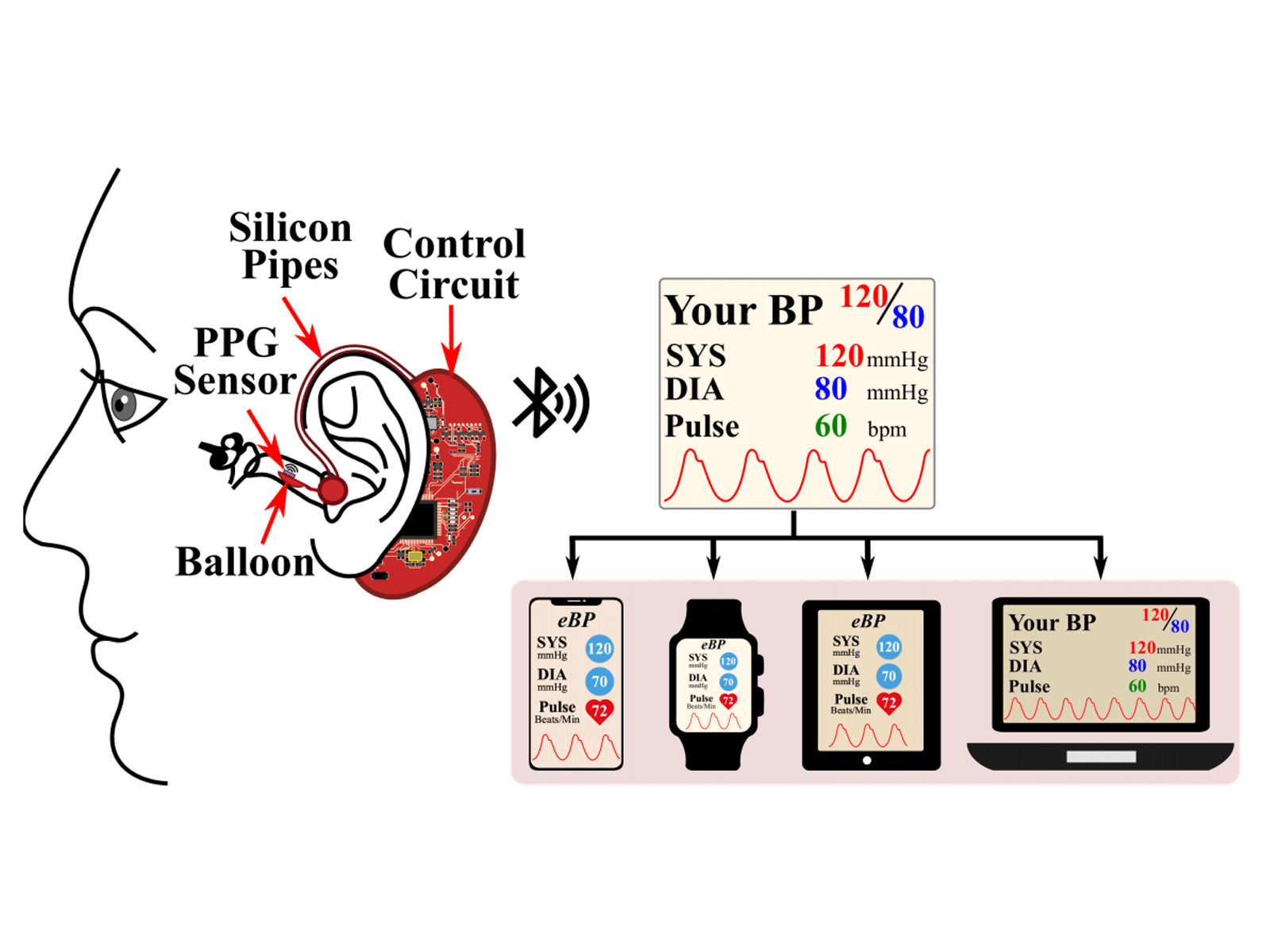
A wearable system for frequent and comfortable blood pressure monitoring from the user's ear, enabling continuous cardiovascular health tracking.
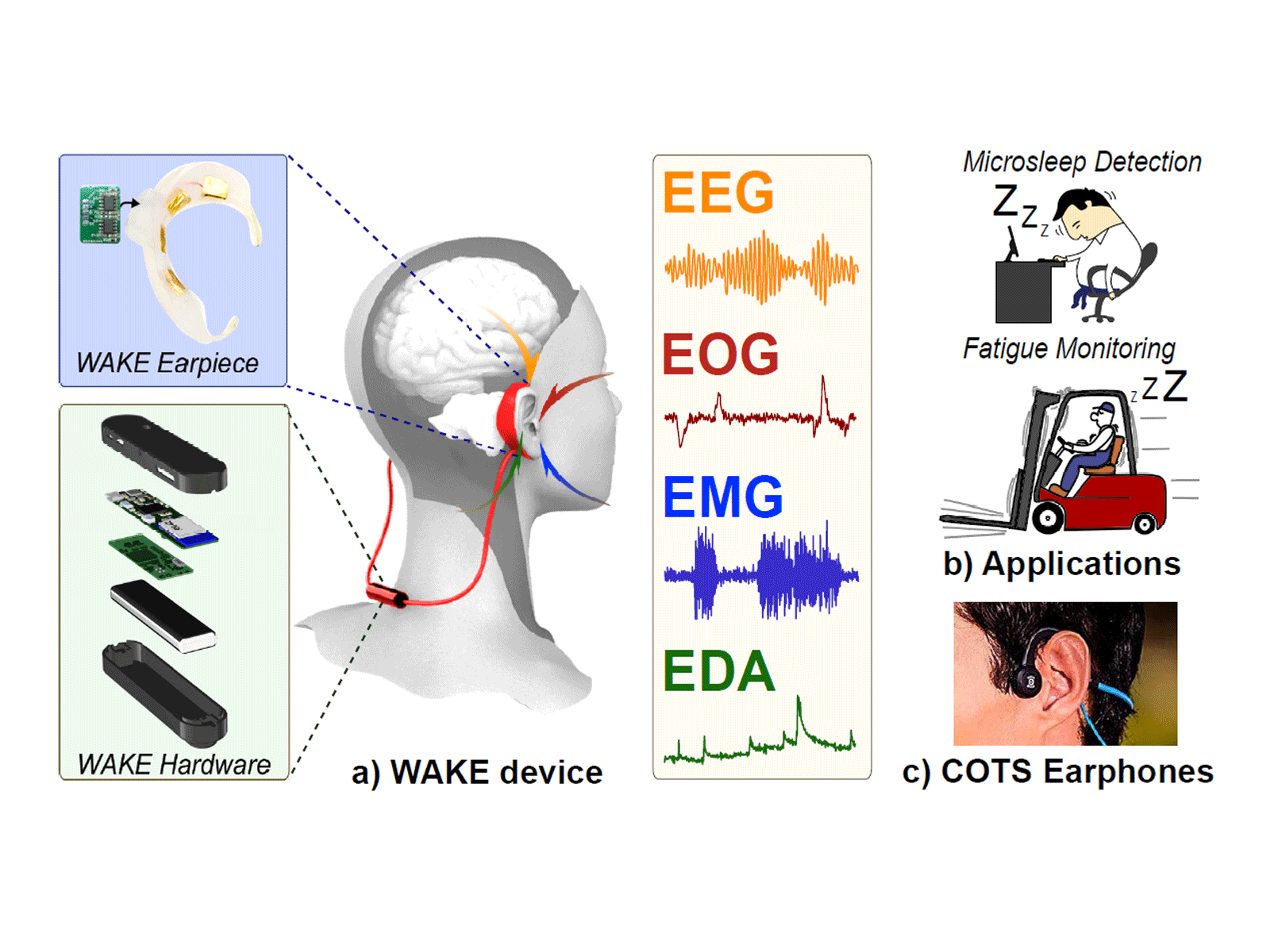
Behind-the-ear wearable system for detecting microsleep events, targeting drowsy driving prevention and workplace safety.
A smartphone-based system for noninvasive blood oxygen saturation measurement using the device's built-in camera and flash.
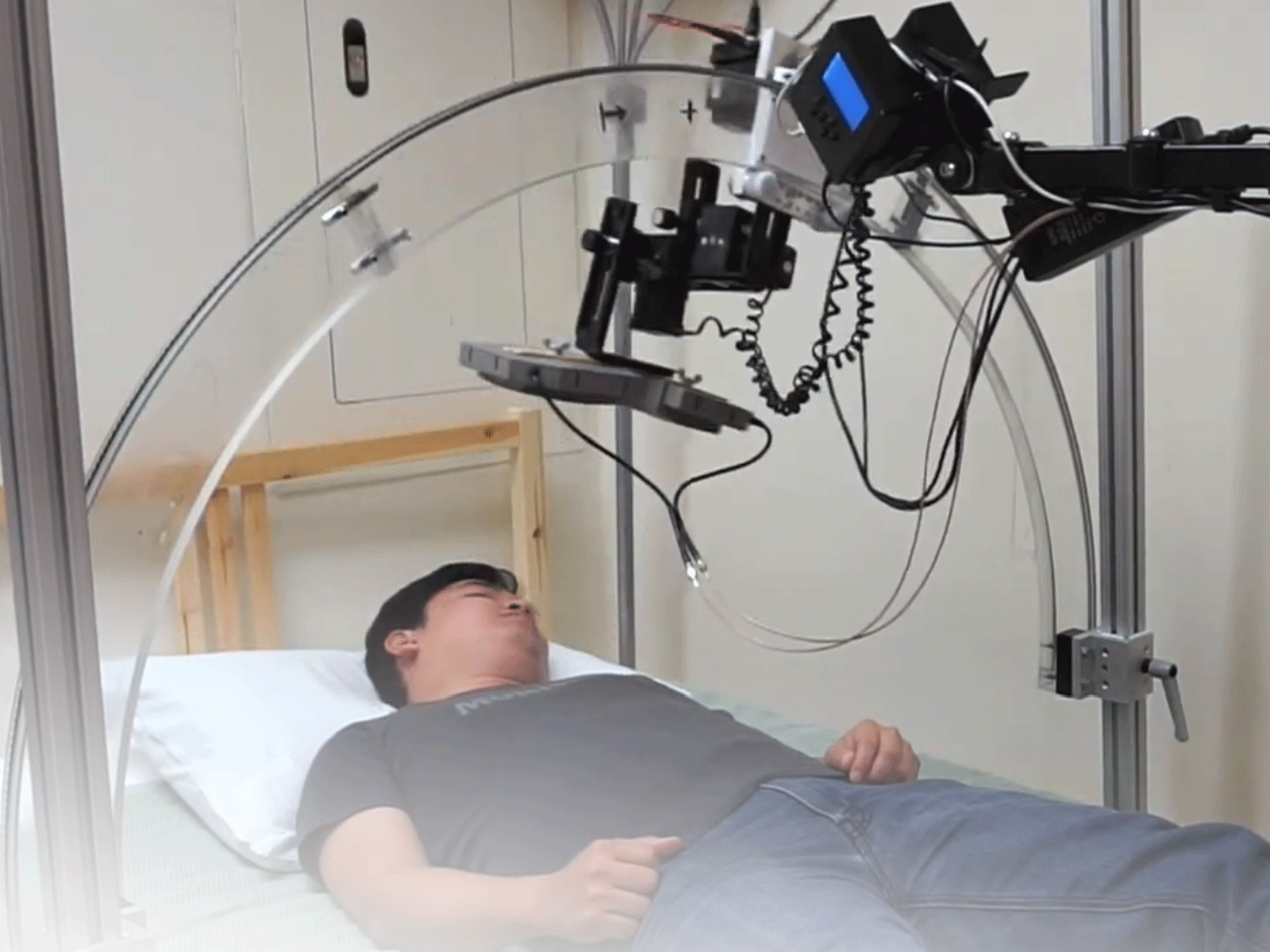
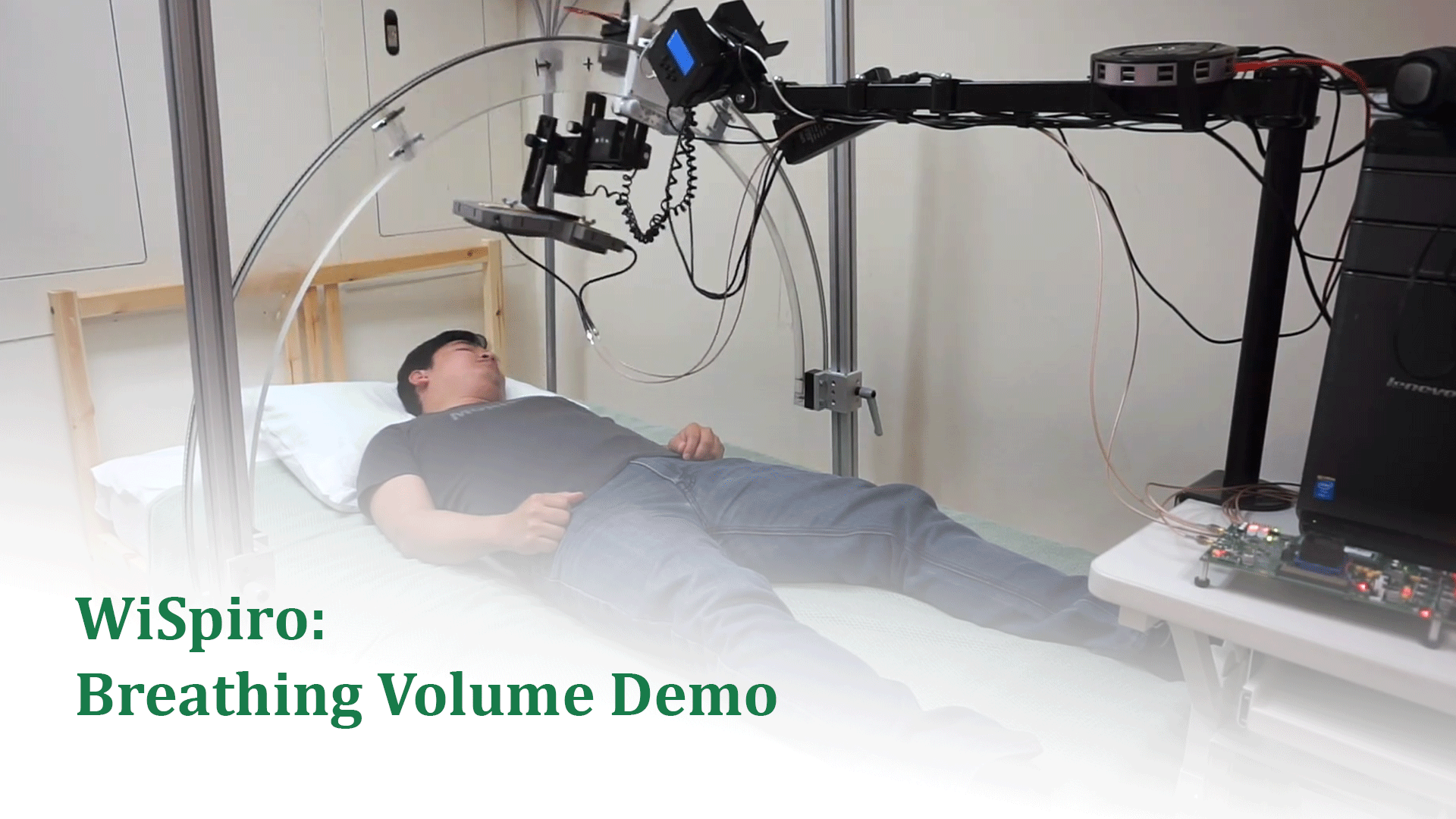
Contactless breathing volume monitoring using wireless signals, enabling continuous respiratory health tracking without wearable devices.
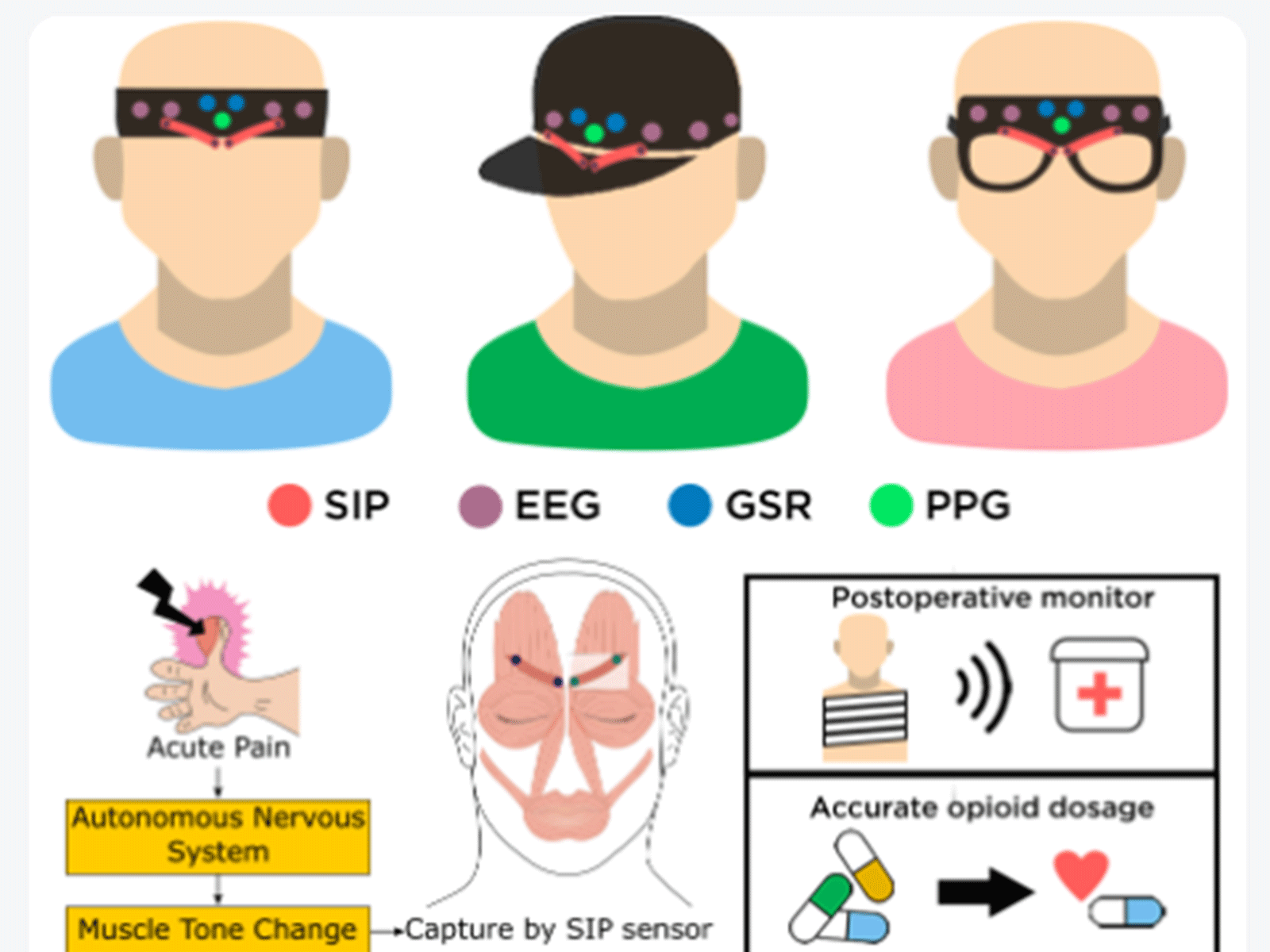
An objective pain quantification system that moves beyond subjective self-reporting to enable data-driven pain management and treatment assessment.
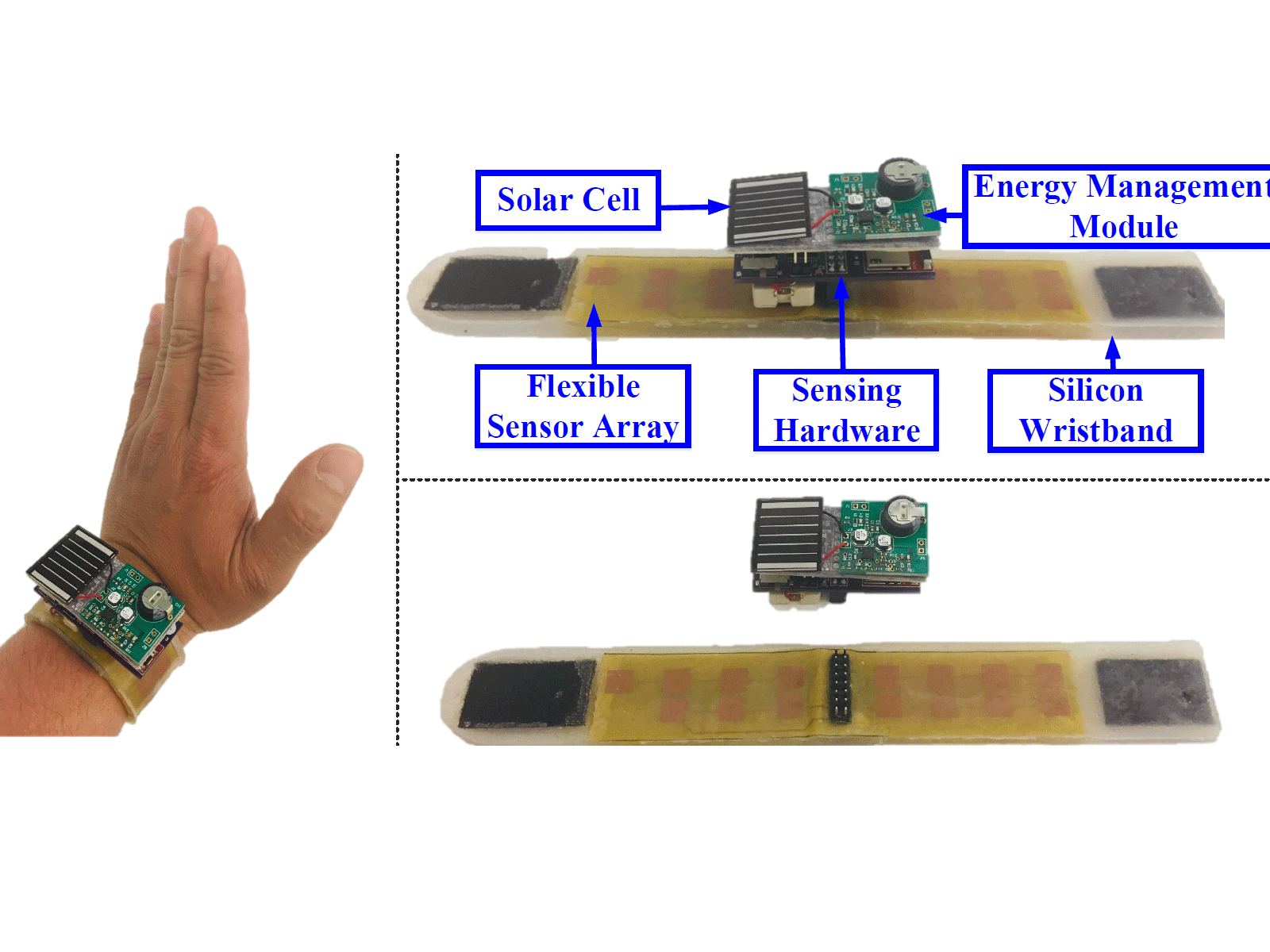
Battery-free gesture recognition wristband using capacitive sensing, enabling always-on interaction without charging or power constraints.
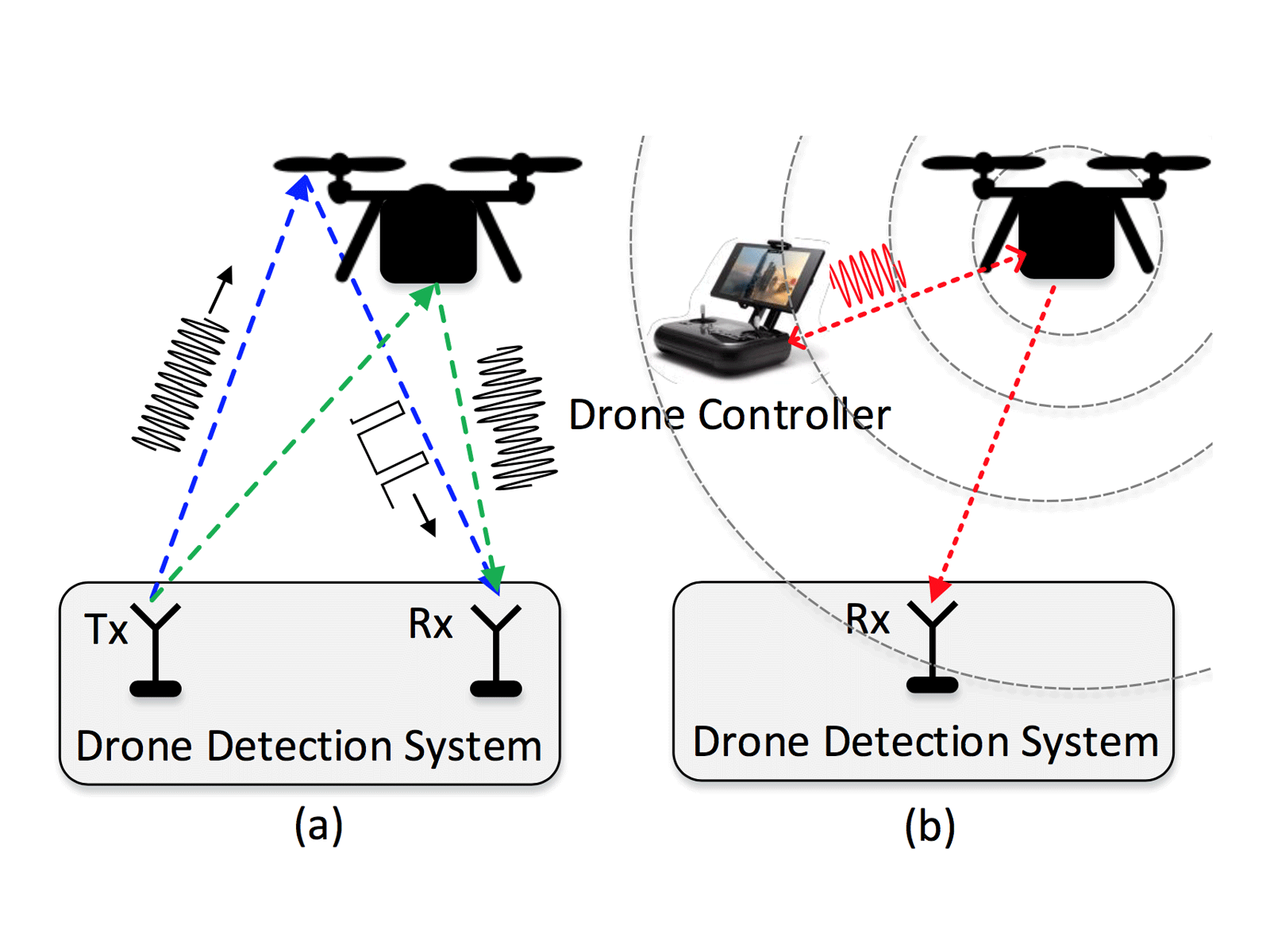
Passive drone detection system using wireless signal analysis for security and airspace monitoring without active radar infrastructure.
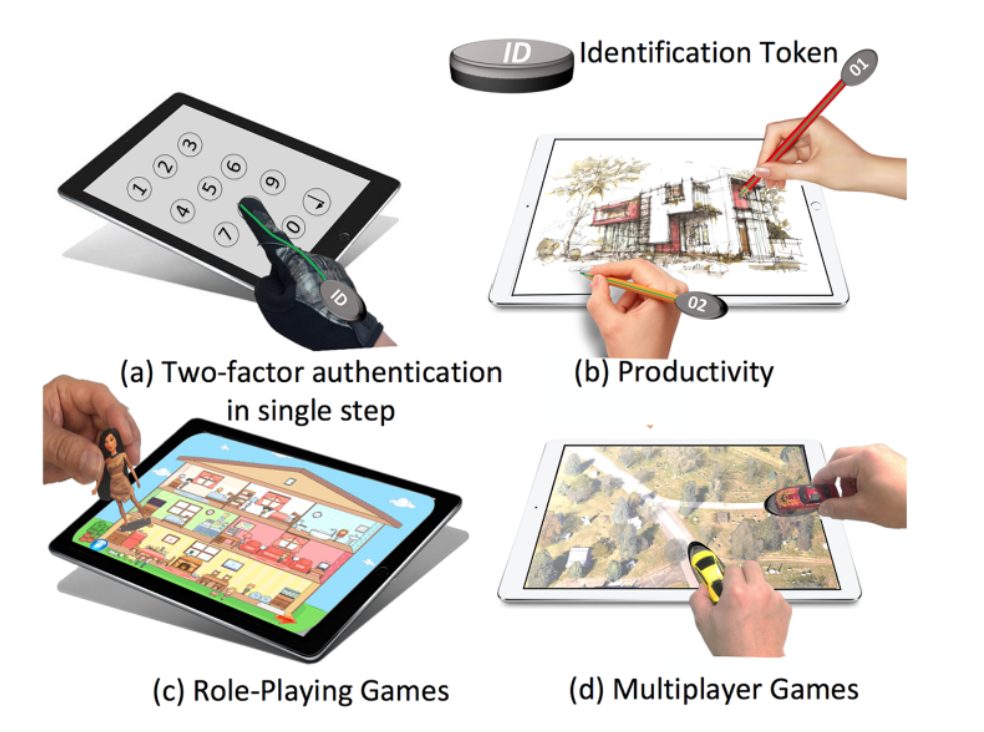
Secure device-to-device communication through capacitive touch on the human body, enabling seamless and private data transfer by physical contact.
Demos, conference talks, and media coverage showcasing HumanX Lab innovations.